Get Industrial Fence Installation
Local contractors offer industrial fence installation services to secure properties, define boundaries, and support projects like warehouses, factories, or construction sites.
If you are considering industrial fence installation, you are in the right place to find the information and connections needed to move forward with your project. Property owners in the area often explore fencing options to enhance security, define boundaries, or improve privacy around their industrial sites. Planning such projects involves evaluating various factors, including the type of fencing that best suits your needs and understanding the local options available to ensure a quality result.
Comparing local contractors and service providers can help you identify experienced professionals who understand the specific requirements of industrial fencing work. By exploring the options in your area, you can make informed decisions about the services that align with your property’s needs and your project goals. Keep reading to discover how to connect with local experts capable of handling your industrial fence installation efficiently and effectively.
- Industrial Fence Installation - when a business needs secure perimeter protection for warehouses or factories.
- Commercial Fence Projects - to enclose retail or office properties for safety and privacy.
- Security Fence Installation - for facilities requiring high-security barriers to prevent unauthorized access.
- Warehouse Fence Setup - to define loading zones and protect inventory storage areas.
- Industrial Boundary Fencing - when establishing clear property limits for large industrial sites.
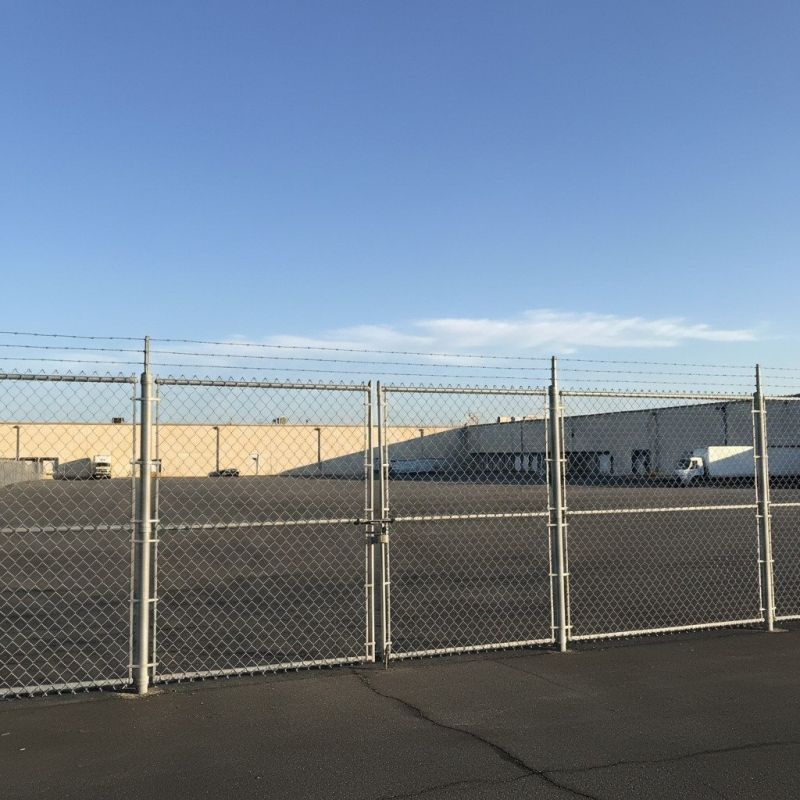
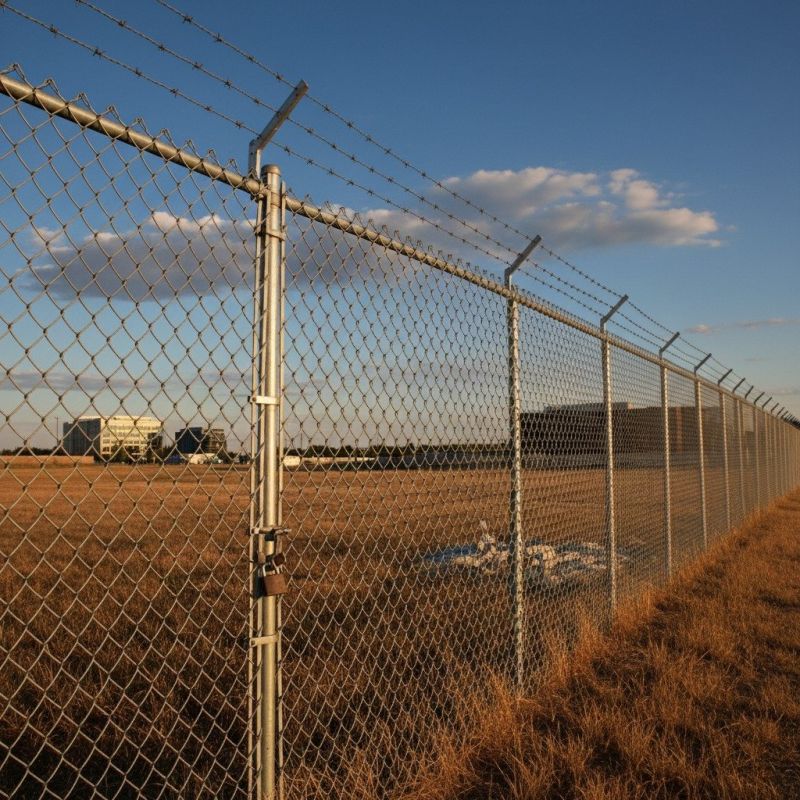
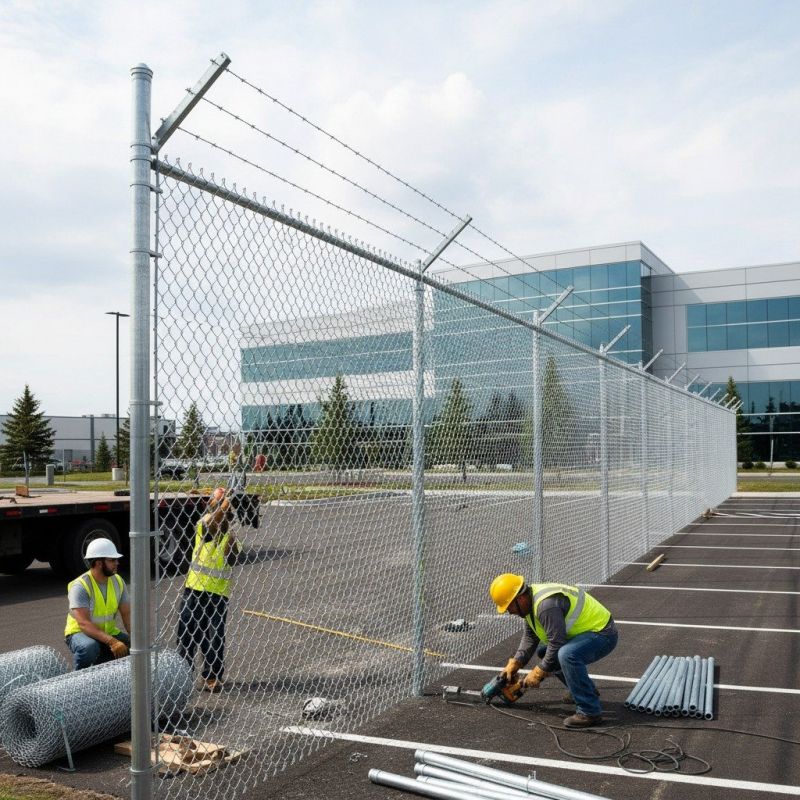
Industrial fence installation services involve the design, placement, and securing of sturdy fencing solutions tailored to meet the needs of commercial, industrial, and large-scale properties. These services typically include selecting appropriate fencing materials, preparing the site, and installing the fence to ensure durability and security. Whether for protecting valuable equipment, defining property boundaries, or controlling access points, professional contractors handle every step to ensure the fence is properly installed and built to last in demanding environments.
One of the primary problems that industrial fencing helps solve is unauthorized access. Many commercial properties face risks related to theft, vandalism, or trespassing, especially when valuable assets are stored outdoors or in open areas. Installing a high-quality fence creates a physical barrier that deters unwanted visitors and enhances overall security. Additionally, industrial fencing can help contain hazardous materials or machinery, preventing accidents and ensuring safety for employees and visitors alike. Proper fencing also helps organizations comply with safety regulations and property management requirements.
The types of properties that typically use industrial fencing include warehouses, manufacturing plants, distribution centers, construction sites, and large commercial facilities. These properties often require fences that can withstand harsh weather conditions and physical impacts while providing clear boundaries. Many property owners choose chain-link, steel, or aluminum fencing for their strength and low maintenance needs. Industrial fencing is also common around airports, power plants, and storage yards, where security and durability are critical factors in choosing the right fencing solution.
Homeowners who own large properties, farms, or private estates may also consider industrial fencing services when they need to secure expansive areas or keep livestock contained. In such cases, fencing can serve as a practical solution for managing large outdoor spaces and preventing unwanted access from animals or trespassers. Understanding the different fencing options and working with experienced local contractors can help property owners find the right solution to meet their security and boundary needs effectively.
The overview below groups typical Industrial Fence Installation projects into broad ranges so you can see how smaller, mid-sized, and larger jobs often compare in your area.
In many markets, a large share of routine jobs stays in the lower and middle ranges, while only a smaller percentage of projects moves into the highest bands when the work is more complex or site conditions are harder than average.
Smaller Repairs - Typical costs for minor fence repairs or adjustments usually range from $250 to $600. Many routine jobs fall within this middle range, depending on the extent of work needed. Fewer projects will push into the higher end of this band.
Standard Fence Installation - Installing a new fence generally costs between $1,500 and $4,000 for most residential projects. Local contractors often handle these jobs within this typical range, though larger or more complex setups can cost more.
Full Fence Replacement - Replacing an entire fence can range from $3,000 to $8,000 or more, depending on length, material, and design. Many projects land in the middle of this range, with higher costs reserved for premium materials or extensive customization.
Large Commercial Projects - Industrial or large-scale commercial fence installations can start at $10,000 and go well beyond $50,000. These projects are less common and typically involve complex specifications and materials, leading to higher costs.
Actual totals will depend on details like access to the work area, the scope of the project, and the materials selected, so use these as general starting points rather than exact figures.
Perimeter Security Fencing - local contractors can install fencing around commercial or residential properties to enhance security and define boundaries.
Warehouse Enclosure Projects - service providers can set up industrial enclosures using similar fencing techniques for storage and operational areas.
Construction Site Fencing - local pros often install temporary or permanent fences to secure construction zones and control access.
Agricultural Fencing - experts can install fences to contain livestock or protect crops, utilizing planning and materials similar to industrial fencing.
Pipeline and Utility Fencing - contractors can install fencing along utility lines to ensure safety and prevent unauthorized access.
Security Gate Installation - specialists can set up access control gates that complement fencing systems for industrial or commercial sites.
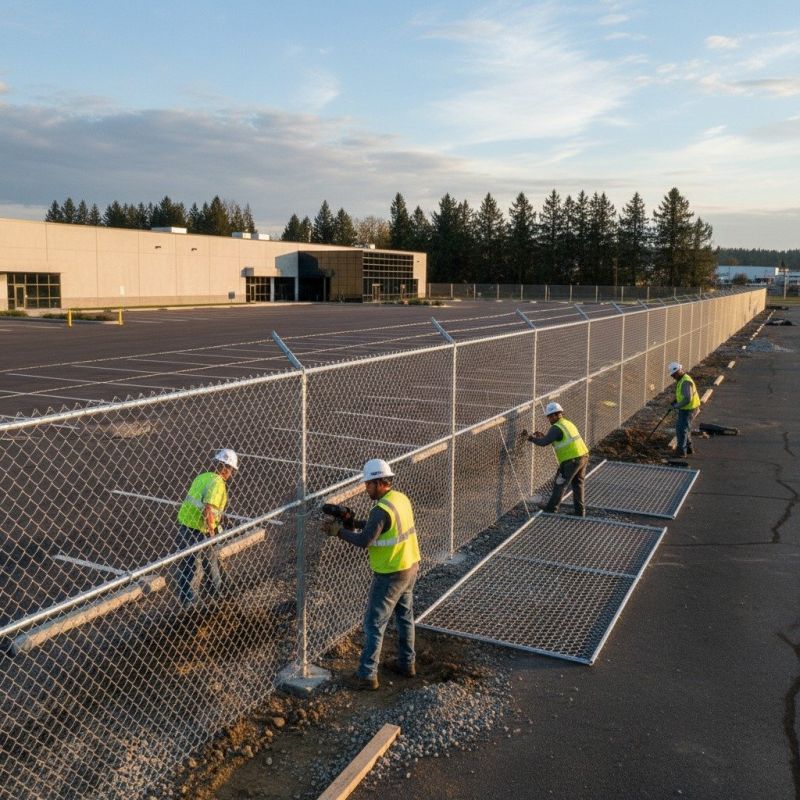
When comparing local contractors for industrial fence installation, it’s important to consider their experience with similar projects. Homeowners should look for service providers who have a proven track record of handling industrial fencing, including the specific type of fence needed and the scope of work involved. An experienced contractor is more likely to understand the unique challenges of large-scale installations, ensuring the project is completed efficiently and to the desired standards.
Clear written expectations are essential when evaluating potential service providers. Homeowners should seek out contractors who provide detailed proposals outlining the scope of work, materials to be used, and any relevant project milestones. Having these expectations documented helps prevent misunderstandings and provides a reference point throughout the project, promoting transparency and accountability.
Reputable references and good communication are key factors in selecting a reliable contractor. Homeowners are encouraged to ask for references from previous clients who had similar projects completed. This can offer insights into the contractor’s reliability, quality of work, and professionalism. Additionally, service providers who maintain open, responsive communication tend to be easier to work with, ensuring that questions are answered promptly and concerns are addressed throughout the process.
Property owners use Industrial Fence Installation services for practical projects around their homes and businesses. This guide focuses on everyday jobs and straightforward project options.
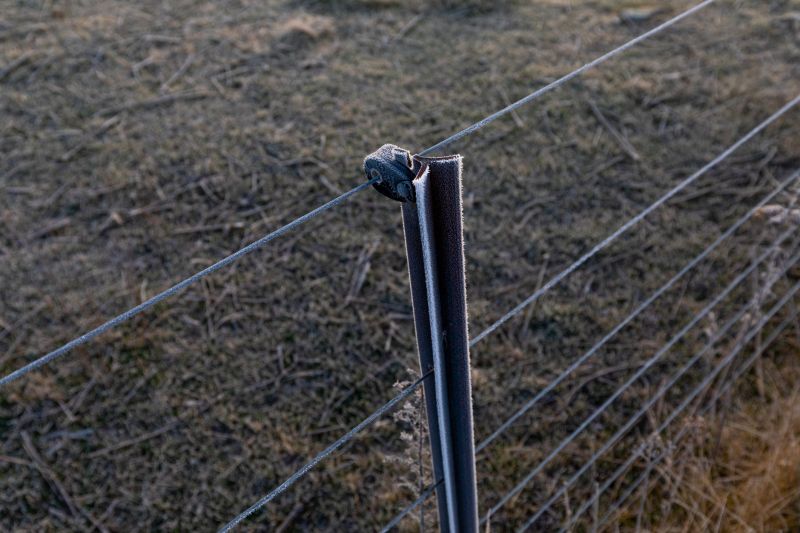
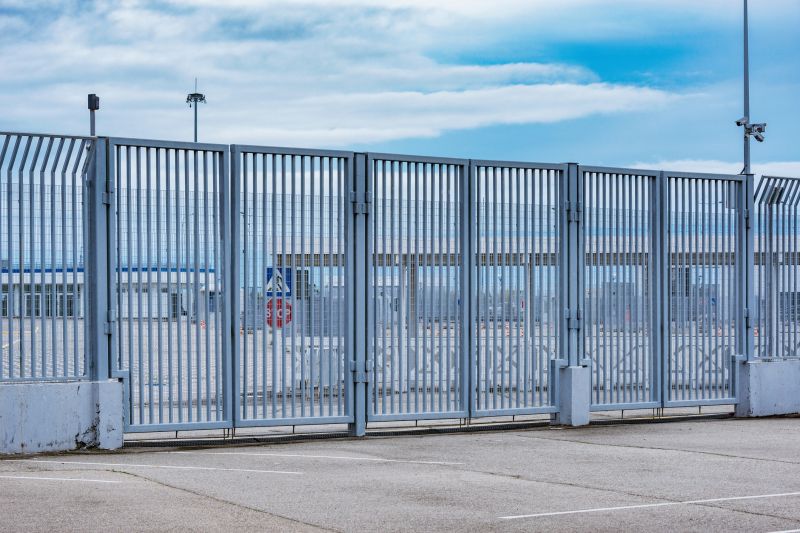
Industrial fence installation is a common project for property owners looking to secure their facilities, define boundaries, or enhance privacy around commercial and industrial sites. Local contractors are often called upon when businesses need durable fencing solutions to keep equipment safe, prevent unauthorized access, or meet security requirements. Whether it's installing chain-link fences for a warehouse or reinforced barriers for manufacturing plants, these projects help property owners maintain control over their premises and ensure safety.
Property owners in the area may seek industrial fencing services for a variety of reasons, such as expanding their property, replacing old or damaged fences, or adding security features to protect valuable assets. Local service providers can assist with a range of fencing types suitable for industrial environments, offering solutions that align with the specific needs of each project. Connecting with experienced contractors can make it easier to find the right fencing options to meet safety, security, and operational goals.
What types of industrial fences can local contractors install? Local service providers typically install various types of industrial fences, including chain-link, barbed wire, vinyl-coated, and welded wire fences, depending on the specific security and functional needs.
Are there different materials used for industrial fence installation? Yes, local contractors often work with materials such as steel, aluminum, and vinyl to suit different durability requirements and environmental conditions.
What factors influence the choice of fencing for industrial properties? Factors like security level, property size, environmental conditions, and intended use usually influence the selection of fencing by local service providers.
Can local pros customize industrial fencing to fit specific site requirements? Many local contractors offer customization options, including height adjustments, gate installations, and reinforcement features to meet unique site needs.
What safety considerations are involved in industrial fence installation? Safety considerations typically include proper foundation work, secure fastening, and compliance with relevant standards to ensure the fence remains stable and effective.
Security and Privacy - Installing a sturdy fence can help define property boundaries and enhance privacy for outdoor activities or relaxation.
Pet and Child Safety - A reliable fence provides a safe area for children and pets to play without the risk of wandering away.
Property Security - Adding a fence can deter unauthorized access and protect valuable assets on the property.
Aesthetic and Property Value - A well-installed fence can improve curb appeal and contribute to the overall value of the property.
If you are thinking about Industrial Fence Installation for a property, this guide is meant to help you understand the work, the typical project types, and how different options might fit your plans.
When you are ready, you can use the quote form on this page to share a few details about your project. From there, local pros can review the basics and respond with options that match what you have in mind.